
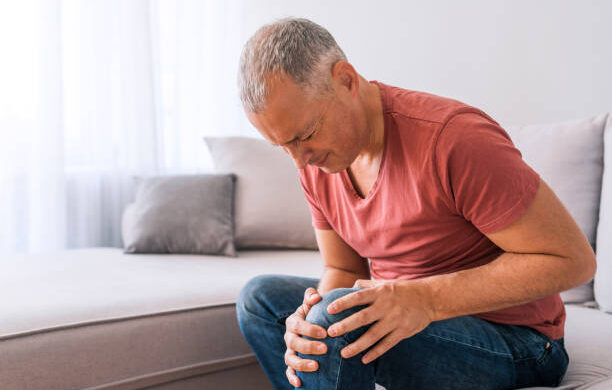
Managing Chronic Pain: Non-Drug Alternatives for Aging Joints
For many seniors, waking up with stiff, aching joints feels like an unavoidable tax on a life well-lived. While “taking a pill” is the quickest response to a flare-up, long-term reliance on pain medication—especially NSAIDs or opioids—can lead to kidney strain, digestive issues, and grogginess.
The good news? Managing chronic pain isn’t just about what you take; it’s about how you move, eat, and support your body’s natural mechanics. Here are five evidence-based, non-drug alternatives to help keep aging joints fluid and comfortable.
1. The “Motion is Lotion” Rule: Low-Impact Exercise
It sounds counterintuitive, but resting an aching joint for too long actually makes the pain worse. Inactivity leads to muscle weakness, which puts even more pressure on the joint.
- Water Aerobics: The buoyancy of water supports up to 90% of your body weight, allowing you to move joints through their full range of motion without the impact of gravity.
- Tai Chi: Often called “meditation in motion,” Tai Chi has been clinically shown to improve balance and reduce osteoarthritis pain by strengthening the stabilizing muscles around the knees and hips.
2. Anti-Inflammatory Nutrition
Chronic pain is often fueled by systemic inflammation. You can actually “eat your way” to cooler joints by focusing on a Mediterranean-style diet.
- Omega-3 Fatty Acids: Found in salmon, walnuts, and flaxseeds, these fats act as natural lubricants for the body.
- The Power of Turmeric: This golden spice contains curcumin, a compound that inhibits inflammatory enzymes.
- NGO Tip: Our nutritional workshops focus on teaching caregivers how to incorporate these ingredients into familiar, easy-to-prep meals.
3. Temperature Therapy (Heat vs. Cold)
Knowing when to use a heating pad versus an ice pack is a game-changer for pain management.
- Heat (Vasodilation): Use heat in the morning to relax stiff muscles and increase blood flow to “frozen” joints. A warm shower or a paraffin wax bath for hands can work wonders.
- Cold (Vasoconstriction): Use cold packs after activity or during an acute “flare” to numb the area and reduce swelling.
4. Assistive Devices and Ergonomics
Sometimes, the best way to stop joint pain is to stop overtaxing the joint. Using tools isn’t a sign of weakness; it’s a strategy for independence.
- Orthotics: Properly fitted shoe inserts can realign your gait, taking the pressure off ankles and lower back.
- Long-Handled Tools: Using reachers or long-handled shoehorns prevents the repetitive bending that aggravates spinal joints.
5. Mind-Body Techniques
The brain plays a massive role in how we perceive pain signals. Chronic pain often “rewires” the nervous system to be hyper-sensitive.
- Guided Imagery & Breathwork: By lowering cortisol levels (the stress hormone), seniors can actually lower their pain threshold.
- Cognitive Behavioral Therapy (CBT): Working with a therapist to change the emotional response to pain can reduce the “catastrophizing” that often makes physical sensations feel more intense.
A Note for Caregivers:
Pain in the elderly is often under-reported. Watch for non-verbal cues: a loved one avoiding a favorite chair, a sudden change in mood, or a loss of appetite. By integrating these non-drug approaches, you can help them maintain their quality of life without the side effects of heavy medication.
Disclaimer: Always consult with a healthcare professional before starting a new exercise regimen or significant dietary change, especially for those with pre-existing heart or kidney conditions. free text amet.